A clear invitation
Name your business, explain the emails and use an active choice for consent. Avoid pre-ticked boxes or hiding marketing agreement in unrelated terms.
A useful mailing list connects your business with people who are interested in what you offer. Build it through clear invitations to subscribe, then follow through with relevant emails.
Start with one audience and one promise. For a garden centre, that might be seasonal planting advice and occasional offers. For a consultancy, it could be a monthly briefing that helps clients make better decisions.
Choose something your team can deliver consistently. A clear promise makes your sign-up form easier to write and your first campaign easier to plan.
Put a sign-up form where interested visitors will notice it. Explain what they will receive; a discount, practical advice or early access can give them a reason to subscribe.
Try a specific promise such as “Get our monthly planting checklist and subscriber offers”. Follow it with a short explanation of how often you will email and a link to your privacy information.
Ask for the details you need. An email address may be enough to begin; extra questions should have a clear purpose. Check the form on a phone and make sure its confirmation message explains what happens next.
Subscriber resources and exit prompts can also work, but keep the invitation easy to dismiss and the marketing choice clear.
Explore Email Blaster subscribe forms →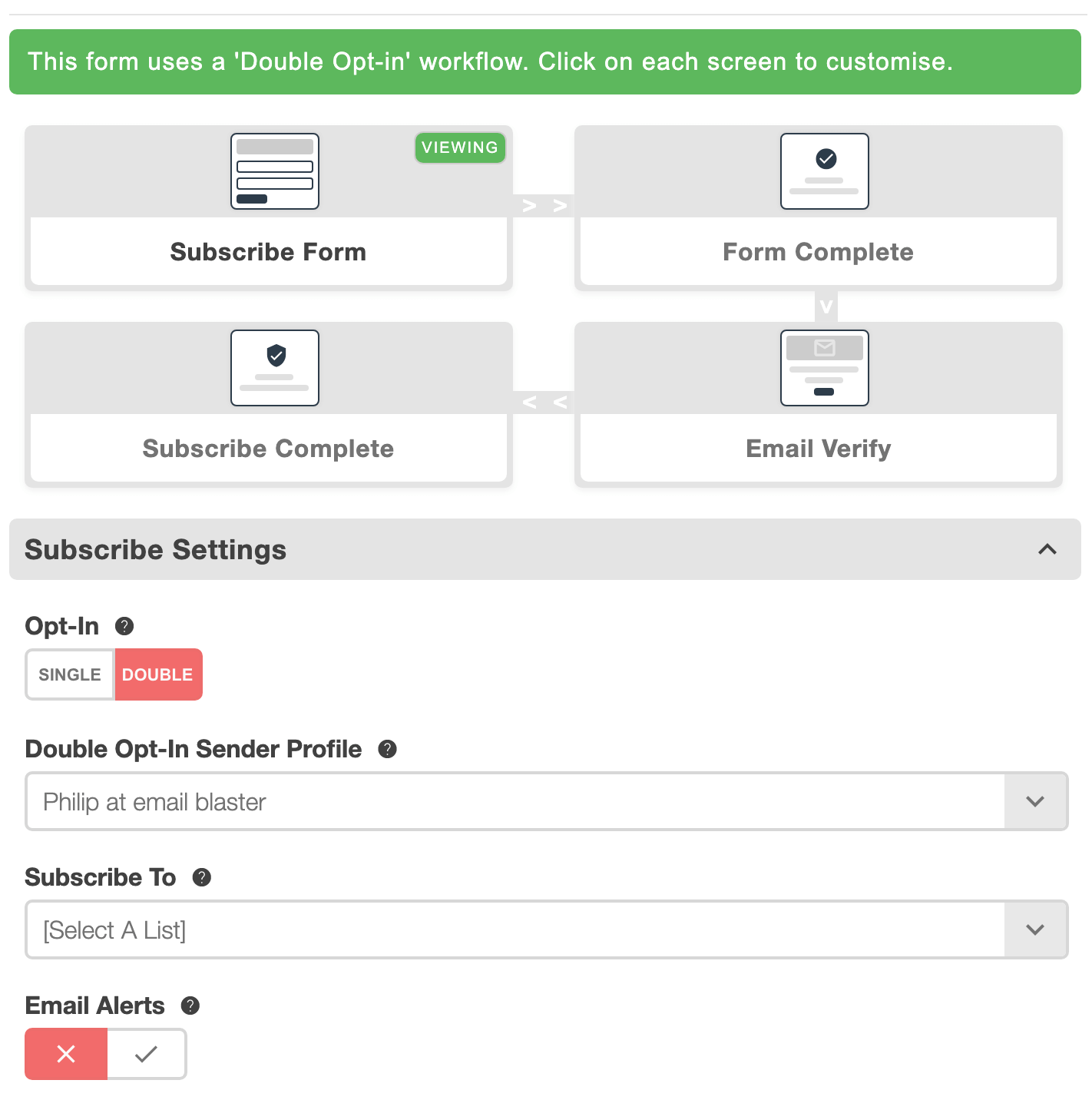
Before importing customer records, check how each address was collected, what the person was told and whether they have opted out. A receipt address, old enquiry or business card is not automatic permission for a newsletter.
For marketing to individual subscribers, the products and services “soft opt-in” can apply when you collected the details during a sale or negotiations, promote your own similar products or services, and offered an opt-out both at collection and in every message. An existing relationship or legitimate interests alone does not replace these PECR requirements.
Set aside records with unclear permission. Keep unsubscribed contacts on your suppression list so a later import cannot accidentally subscribe them again.
At events or in your premises, offer a QR code or tablet sign-up form. Tell people what your updates contain and let them choose whether to join.
Place the QR code beside a short description of your newsletter. Use the same sign-up page as your website so expectations stay consistent. Keep a paper option for visitors who prefer it, with the permission wording visible.
If someone agrees verbally, record when, where and how they agreed, including what you explained. A business card handed over for an enquiry should not silently become a newsletter subscription.
During a suitable customer conversation, explain your email updates and ask whether the person would like to receive them. Confirm their address and record their answer separately from the enquiry itself.
Use a short, consistent invitation: “Would you like our monthly email with practical tips and product news? You can unsubscribe at any time.” Avoid treating agreement to a quotation or callback as agreement to marketing.
If you make outbound marketing calls, follow the applicable calling rules, including TPS/CTPS screening and previous objections. See the ICO’s telephone marketing guidance ↗.
Name your business, explain the emails and use an active choice for consent. Avoid pre-ticked boxes or hiding marketing agreement in unrelated terms.
Keep the source, date and wording shown when someone subscribed. Make it possible to explain why that person is on your list.
Include an unsubscribe option in every campaign and honour it. Carry suppression records across list changes and imports.
Rules differ for individual and corporate subscribers, and personal data still requires a lawful basis. Sole traders and some partnerships are individual subscribers under PECR. Check the rules for your audience rather than assuming every business address is treated the same.
Avoid purchased lists, duplicate records and stale addresses. Irrelevant messages can lead to complaints; invalid addresses create bounces and waste sends.
Track which sign-up sources bring engaged readers. Review bounces and unsubscribes after campaigns, and use clicks and enquiries alongside opens when deciding what works.
Remove invalid addresses from active sending and keep opt-outs suppressed. Group subscribers by relevant interests using data segmentation, so your next message has a useful reason to reach them.
02 · Social media
Give followers a next step
Link relevant social posts and adverts to a sign-up page. Make the offer and landing page work together so visitors recognise the reason they clicked.
Match the invitation to the conversation
If a post demonstrates a useful technique, invite readers to receive more tips like it. If it introduces a new collection, offer updates about future launches. Add the sign-up link to your profile and relevant video descriptions.
Keep competition entry separate from optional marketing consent. Following an account or entering a draw does not, on its own, subscribe someone to your emails.
Explore social media integration →